Jacksonville restoration material
Water-Damaged Contents and Document Handling in Jacksonville
Jacksonville contents handling should separate stabilization and documentation from specialist electronics, fine-art, archival, or hazardous-material services. TideMark Restoration organizes the source, water condition, affected rooms, material layers, moisture readings, removal boundary, drying equipment, daily records, and completion criteria before the customer approves the next stage.
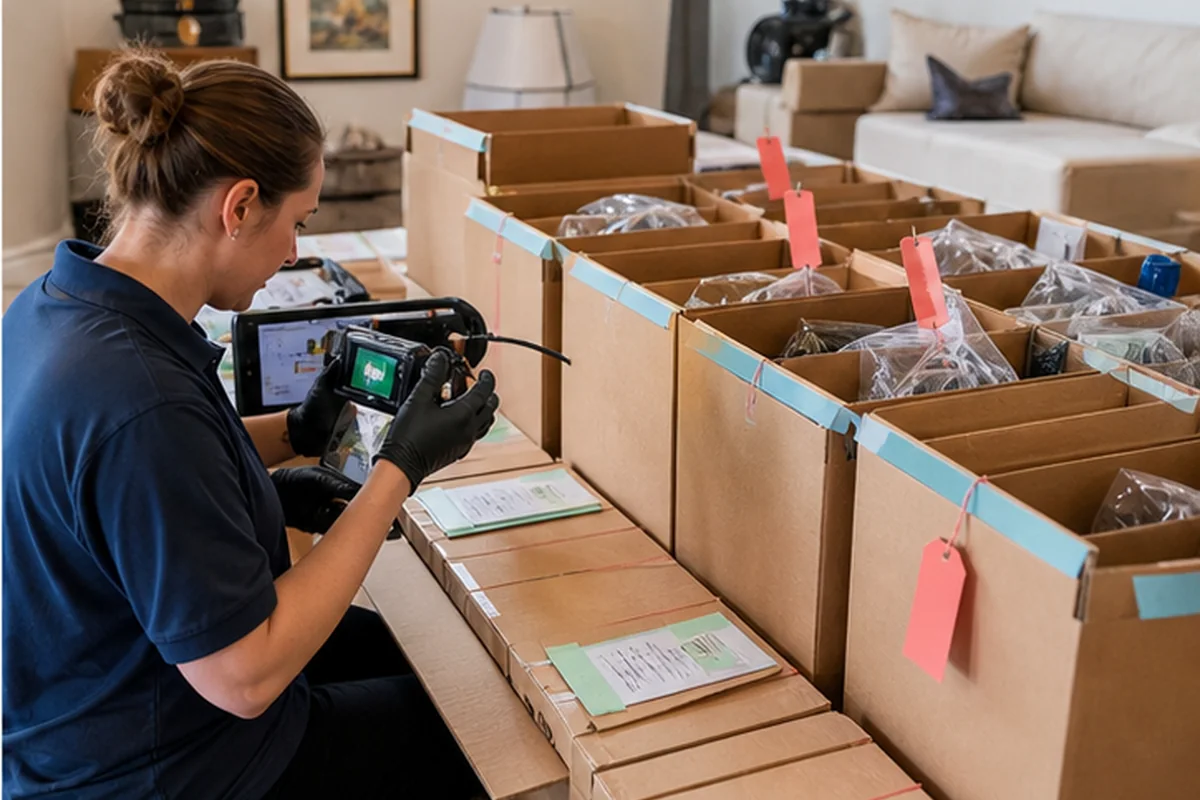
Contents and Documents Inspection Maps the Source, Rooms, and Material Layers
A room-linked record for furniture, soft goods, electronics, documents, inventory, authorized cleaning, non-restorable decisions, and custody. The request begins with source status, water activity, discovery time, rooms, levels, visible change, water condition if known, hazards, occupancy, access, prior actions, and safe photographs. Field review then separates reported facts, observed conditions, readings, and inaccessible layers.
- Record the exact address, source or suspected source, time discovered, whether water is active, rooms affected, visible material changes, odor, occupancy, utilities, prior cleanup, and photographs that can be taken safely.
- Classify the observed water and site hazards before extraction or air movement. Sewage, unknown water, wet electrical equipment, unstable ceilings, and suspected regulated materials require a different safety and containment plan.
- Map accessible moisture by room and material layer, including drywall, insulation, flooring, subfloor, cabinets, contents, and HVAC-adjacent assemblies connected to the loss.
- Identify ownership, tenant or manager authority, access windows, contents handling, documentation needs, and qualified providers required for restoration, assessment, remediation, repair, or reconstruction.
Contents and Documents Scope Defines Extraction, Removal, Drying, and Exclusions
The commercial proposal connects actions to named rooms, materials, quantities, containment, equipment, monitoring, contents, and completion criteria. It also identifies separate source repair, electrical, HVAC, assessment, reconstruction, insurance, or permit responsibilities before authorization.
- Connect extraction, controlled removal, cleaning, containment, air movement, dehumidification, monitoring, contents handling, and disposal to named rooms, materials, quantities, and verified conditions.
- State equipment count and placement logic, monitoring frequency, access, power, protection, change authorization, reconstruction exclusions, and the record used to decide when drying or remediation is complete.
- Separate water mitigation from plumbing or roof repair, electrical work, HVAC service, structural repair, mold assessment, laboratory analysis, reconstruction, and insurance coverage decisions unless each deliverable is expressly assigned.
- Close with source status, room-by-room work performed, material disposition, readings or observations, photographs, remaining restrictions, equipment removal, handoff documents, and any follow-up trigger.
Contents and Documents Material Decisions Follow Condition, Integrity, Access, and Response
Drying in place and controlled removal are not universal packages. Each decision should state the water condition, material layer, integrity, contamination, access, measurable progress, and trigger for expanding or closing the work.
- 01Dry and clean a material in place when the source, water condition, contamination, integrity, access, and measurable drying response support that option.
- 02Remove a material when contamination, delamination, loss of integrity, concealed wet layers, access needs, or documented failure to dry makes retention inappropriate.
- 03Use a separate Florida mold assessor and remediation protocol when the actual project and state requirements call for that role; verify the people and companies involved before authorization.
- 04Escalate electrical, structural, hazardous-material, sewage, roof, plumbing, HVAC, or reconstruction work to the appropriate qualified provider and preserve the boundary in writing.
Contents and Documents Service Uses a Jacksonville Address and Property Operating Plan
Jacksonville contents handling should separate stabilization and documentation from specialist electronics, fine-art, archival, or hazardous-material services.
The exact address, ZIP, source status, water condition, affected rooms, occupancy, utilities, access, manager or owner authority, and separate repair parties remain necessary. Florida mold roles and any Jacksonville permit or regulated-trade needs must be checked for the actual work.
- Coverage, arrival, equipment, price, drying time, material salvageability, mold condition, permit need, insurance response, warranty, and outcome require inspection and written confirmation.
- No mold-free, sterilization, health, insurance approval, guaranteed drying deadline, or complete reconstruction claim is made from page content or remote photographs.
- The 24–48 hour drying language commonly cited by EPA is prevention guidance for clean-water events, not a universal completion guarantee; water condition and material response control the actual plan.
Contents and Documents Booking, Price, Role, and Completion Answers
Contents and Documents service in Jacksonville starts with which record?
Send the address, source status, water condition if known, affected rooms and materials, discovery time, occupancy, hazards, access, prior actions, and safe photographs. Field inspection defines the working boundary.
Contents and Documents price depends on which scope factors?
Price depends on water condition, affected area, material layers, extraction, containment, removal, cleaning, equipment, monitoring, contents, disposal, access, documentation, and separately assigned repairs.
Contents and Documents includes mold assessment and remediation?
Only when the written scope assigns the legally appropriate roles. Florida regulates individual mold assessors and remediators, and conflict restrictions can apply when the same parties serve a structure.
Contents and Documents completion requires which evidence?
The closeout should identify source status, rooms, material decisions, work performed, equipment and monitoring records, readings or observations, photographs, remaining restrictions, and the next responsible party.
TIDEMARK RESTORATION / FILE REQUEST
Request Contents and Documents With an Address-Specific Restoration Record
Send the source status, affected rooms, visible materials, water condition if known, sewage or electrical concerns, discovery time, occupancy, access, prior actions, and safe photographs. Coverage and next steps are confirmed after review.